Arriving in Scotland: The Road North to Skye
After arriving in Scotland, the journey north began immediately. The plan was simple: make my way toward the Isle of Skye, stopping when the landscape or conditions called for it.
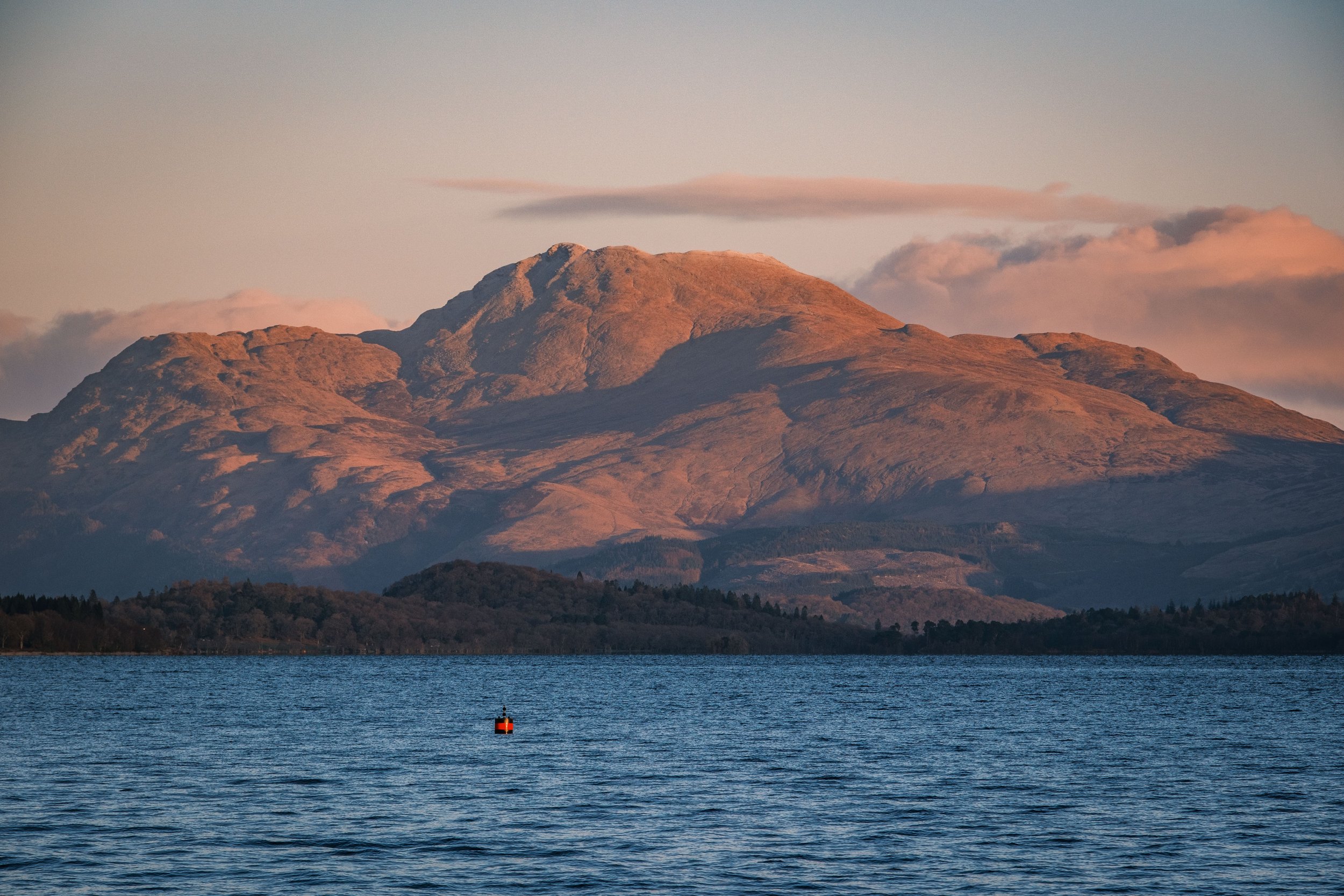
The first stop came along the shore of Loch Lomond. Ben Lomond was catching patches of sunlight as cloud moved through, briefly lighting the mountain against a darker backdrop. I pulled in to photograph from the lochside, working quickly as the light shifted. It was a calm start to the journey and a clear introduction to the changing conditions ahead.
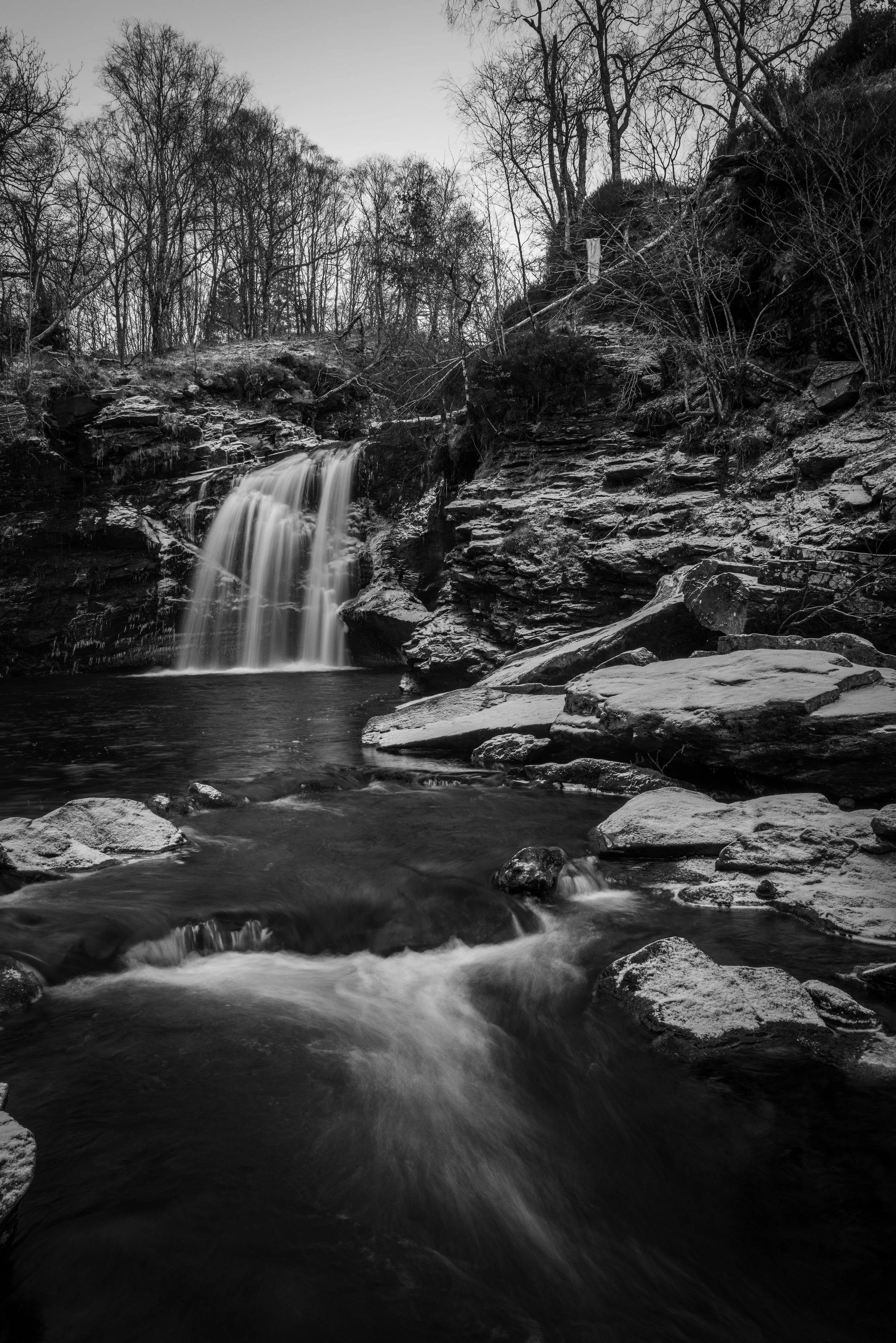
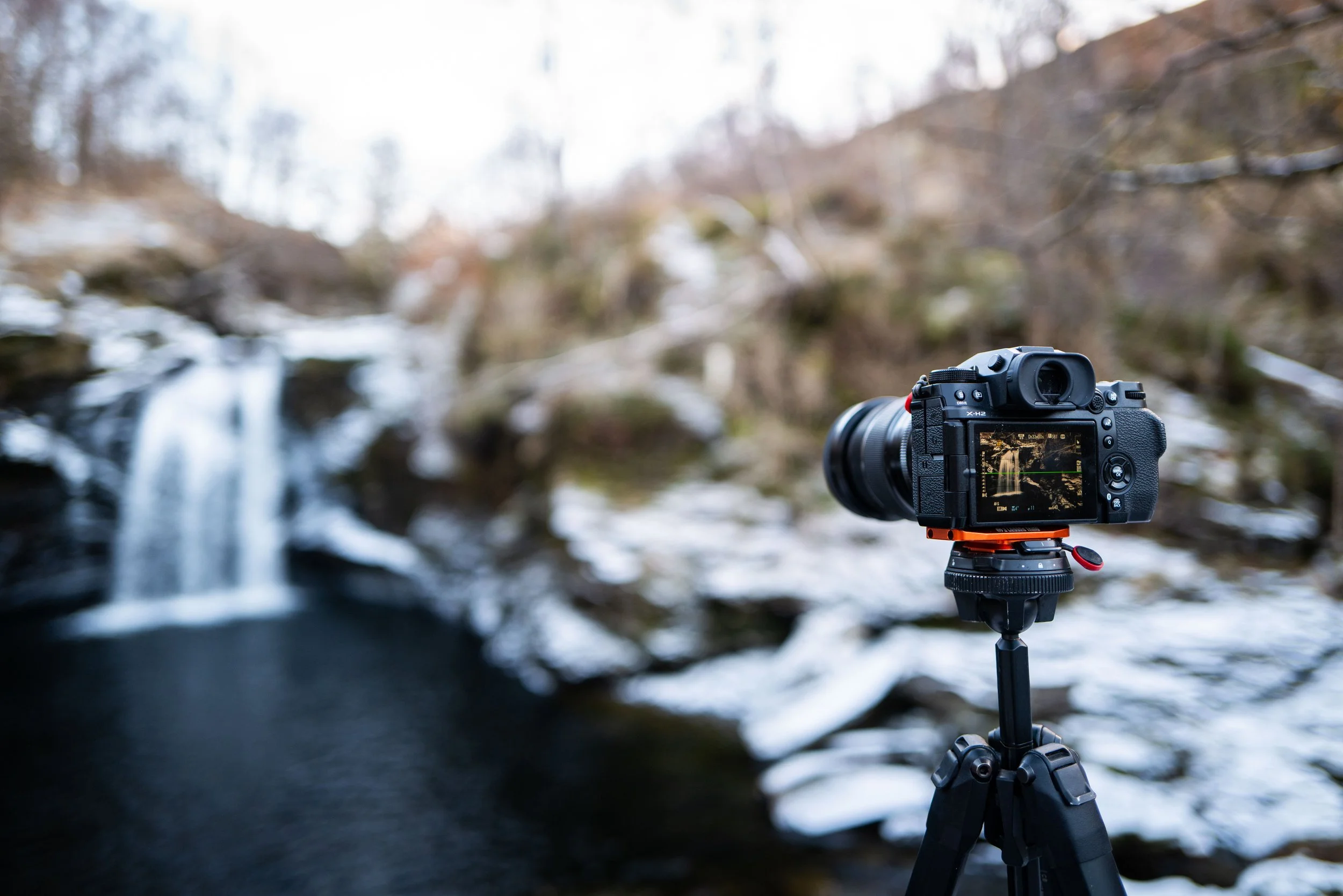
A short drive on brought a quick stop at The Falls of Falloch. It wasn’t a long visit — just enough time to document the water level, the movement, and the contrast between the controlled path and the force of the river. From there, the road continued north and began to rise into higher ground.
As the route moved into the mountains, the conditions changed rapidly. Snow began to settle and visibility dropped, turning the landscape completely white in places. Driving became slower and more deliberate, with road conditions dictating the pace. It was a sharp learning curve, adapting to snow and ice far sooner than expected.
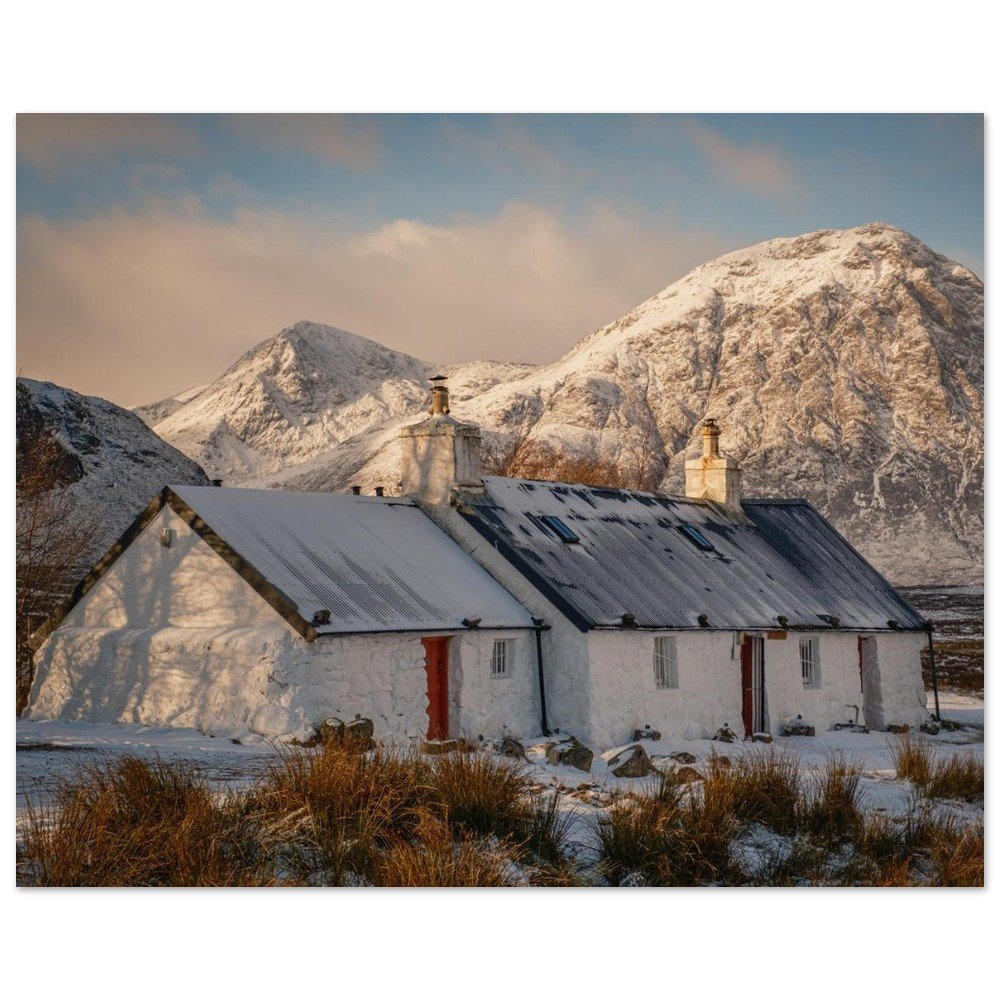
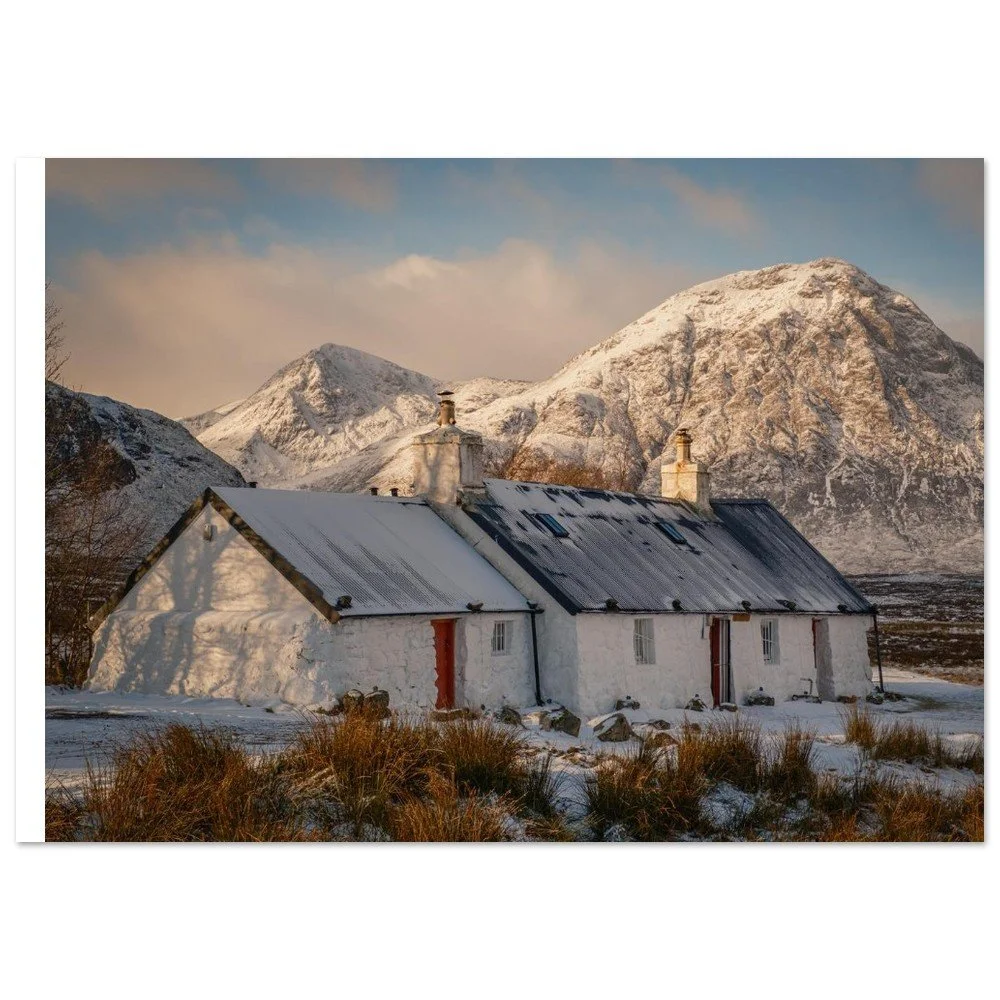
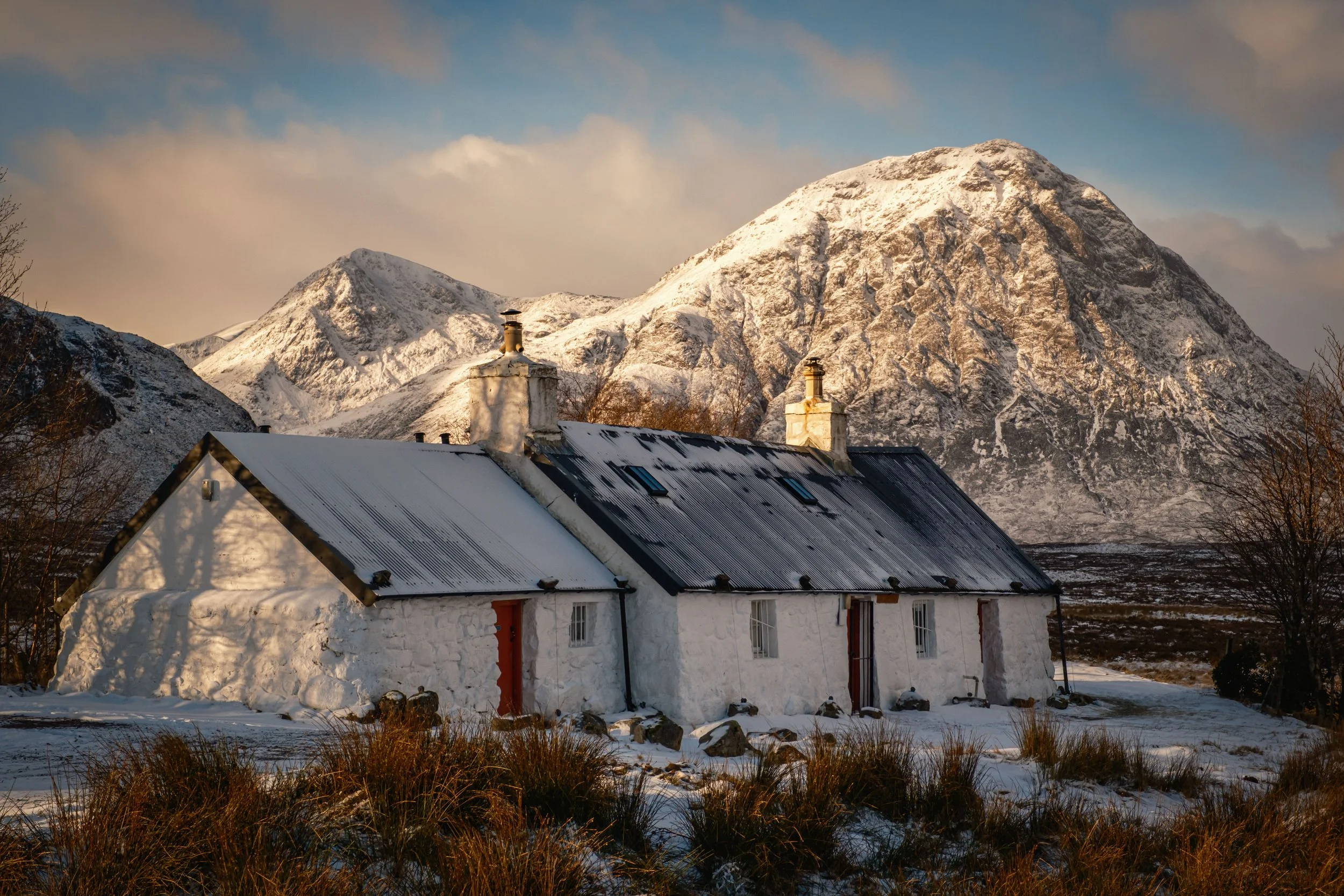
In Glencoe, I stopped to photograph The Black Rock Cottage. Set against the surrounding mountains and covered in snow, the cottage stood out clearly despite the conditions. It’s a well-documented location, but seeing it in heavy winter weather gave it a different context — one that felt more in keeping with the environment it sits in.
The journey continued in increasingly difficult conditions. Snowfall intensified, roads became unpredictable, and progress was steady rather than fast. By this point, driving in snow and ice was no longer optional — it was something learned quickly through necessity.
By the time the road opened up toward Skye, the journey itself had already defined the experience. The changing weather, enforced stops, and challenging conditions set the tone for the days ahead. Skye was the destination, but the road north had already delivered its own record of place, weather, and adaptation.